Smart City Days in Herne: 21.09. – 22.09. Mulvany Villa, Shamrockpark
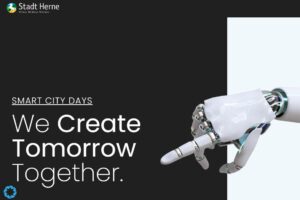 Die Entwicklungen hin zu nachhaltigen und digitalen Städten betreffen uns alle – Bürgerinnen und Bürger, Städte sowie Unternehmen. Die Smart City Days bieten ein vielseitiges Programm, das sich mit der Stadt von morgen auseinandersetzt. Vom 21. bis 22. September 2023 erwartet Sie eine Mischung aus praktischen Beispielen, innovativer Forschung und greifbaren Smart City Konzepten. Die Veranstaltung beinhaltet das deutschsprachige Fiware Netzwerktreffen am 21. September, Events, wie Digital.Herne.Business und einer Convention des Innovations- und Hochschulnetzwerk ruhrvalley sowie der Hochschulallianz Ruhr.
Das aktuelle Programm finden Sie hier: www.smart-people-city.de
21.09.2023 – Fiware Community Treffen
Zum ersten Mal findet das deutschsprachige Fiware Netzwerktreffen in Herne statt. Internationale Experten aus dem Smart City Bereich kommen hier zusammen, um sich zu vernetzen und Wissen auszutauschen, über Smart City, Dataspaces und Industrie 4.0 zu beraten.
21.09.2023 – Digital.Herne.Business: Künstliche Intelligenz – Chancen und Risiken
Am Beispiel von ChatGPT wird deutlich, dass KI das Potenzial besitzt, viele Bereiche zu revolutionieren. Doch wie leistungsfähig ist sie wirklich? Wie nachhaltig sind die Veränderungen, und wo kann sie eingesetzt werden? Wird ihr Einsatz uns zukünftig produktiver machen? Welche Regeln und Voraussetzungen sind nötig für den Einsatz in Unternehmen und Verwaltungen? Die Veranstaltung betrachtet konkrete Anwendungsbeispiele und Praxisfälle, inklusive eines Ausblicks auf technologische Entwicklungen. Wir möchten mit Ihnen ins Gespräch kommen, wie wir gemeinsam Datenräume aufbauen, um technologische Entwicklungen zu fördern.
22.09.2023 – ruhrvalley: Smart City Summit
Die Fachkonferenz des DeepTech Innovationsnetzwerks ruhrvalley präsentiert in spannenden Keynotes und Workshops aktuelle Forschungsfragen, Use Cases und Potenziale für die Smart City. Diskutiert werden Themen wie die Transformation der städtischen Mobilität, der Aufbau eines Smart City Datenökosystems sowie Reallabore für Smart Energy. Die Veranstaltung richtet sich an Kommunale Expertinnen und Experten für Mobilität, Energie und Stadtentwicklung, Wissenschaftlerinnen und Wissenschaftler aus den Bereichen IT-Security, IoT-Plattformen, E-Mobilität, Nachhaltigkeitsbewertung, urbane Mobilitäts- und Energiesysteme sowie Unternehmerinnen und Unternehmer aus der Region.
22.09.2023 – Smart City Ausstellung
Erleben Sie Smart City hautnah! Erhalten Sie spannende Einblicke in digitale Projekte der Stadt Herne und erleben Sie, wie die Stadt daran arbeitet, ein lebenswerteres, zukunftsorientiertes und nachhaltigeres Wohnumfeld zu schaffen. Verschiedene Stände von Hochschulen, Unternehmen und städtischen Fachbereichen präsentieren, wie digitale Innovationen in Herne angewendet werden.
Ein hoch interessantes Rahmenprogramm für BürgerInnen, Jung und alt, Schulen und Bildungseinrichtungen sowie Vereine und Verbände erwartet Sie – hierzu zählen unter anderem Live Augmented/Virtual Reality Anwendungen, die FIWARE Legowelt und viele weitere spannende Dinge – Digitalisierung zum Anfassen.
Die Entwicklungen hin zu nachhaltigen und digitalen Städten betreffen uns alle – Bürgerinnen und Bürger, Städte sowie Unternehmen. Die Smart City Days bieten ein vielseitiges Programm, das sich mit der Stadt von morgen auseinandersetzt. Vom 21. bis 22. September 2023 erwartet Sie eine Mischung aus praktischen Beispielen, innovativer Forschung und greifbaren Smart City Konzepten. Die Veranstaltung beinhaltet das deutschsprachige Fiware Netzwerktreffen am 21. September, Events, wie Digital.Herne.Business und einer Convention des Innovations- und Hochschulnetzwerk ruhrvalley sowie der Hochschulallianz Ruhr.
Das aktuelle Programm finden Sie hier: www.smart-people-city.de
21.09.2023 – Fiware Community Treffen
Zum ersten Mal findet das deutschsprachige Fiware Netzwerktreffen in Herne statt. Internationale Experten aus dem Smart City Bereich kommen hier zusammen, um sich zu vernetzen und Wissen auszutauschen, über Smart City, Dataspaces und Industrie 4.0 zu beraten.
21.09.2023 – Digital.Herne.Business: Künstliche Intelligenz – Chancen und Risiken
Am Beispiel von ChatGPT wird deutlich, dass KI das Potenzial besitzt, viele Bereiche zu revolutionieren. Doch wie leistungsfähig ist sie wirklich? Wie nachhaltig sind die Veränderungen, und wo kann sie eingesetzt werden? Wird ihr Einsatz uns zukünftig produktiver machen? Welche Regeln und Voraussetzungen sind nötig für den Einsatz in Unternehmen und Verwaltungen? Die Veranstaltung betrachtet konkrete Anwendungsbeispiele und Praxisfälle, inklusive eines Ausblicks auf technologische Entwicklungen. Wir möchten mit Ihnen ins Gespräch kommen, wie wir gemeinsam Datenräume aufbauen, um technologische Entwicklungen zu fördern.
22.09.2023 – ruhrvalley: Smart City Summit
Die Fachkonferenz des DeepTech Innovationsnetzwerks ruhrvalley präsentiert in spannenden Keynotes und Workshops aktuelle Forschungsfragen, Use Cases und Potenziale für die Smart City. Diskutiert werden Themen wie die Transformation der städtischen Mobilität, der Aufbau eines Smart City Datenökosystems sowie Reallabore für Smart Energy. Die Veranstaltung richtet sich an Kommunale Expertinnen und Experten für Mobilität, Energie und Stadtentwicklung, Wissenschaftlerinnen und Wissenschaftler aus den Bereichen IT-Security, IoT-Plattformen, E-Mobilität, Nachhaltigkeitsbewertung, urbane Mobilitäts- und Energiesysteme sowie Unternehmerinnen und Unternehmer aus der Region.
22.09.2023 – Smart City Ausstellung
Erleben Sie Smart City hautnah! Erhalten Sie spannende Einblicke in digitale Projekte der Stadt Herne und erleben Sie, wie die Stadt daran arbeitet, ein lebenswerteres, zukunftsorientiertes und nachhaltigeres Wohnumfeld zu schaffen. Verschiedene Stände von Hochschulen, Unternehmen und städtischen Fachbereichen präsentieren, wie digitale Innovationen in Herne angewendet werden.
Ein hoch interessantes Rahmenprogramm für BürgerInnen, Jung und alt, Schulen und Bildungseinrichtungen sowie Vereine und Verbände erwartet Sie – hierzu zählen unter anderem Live Augmented/Virtual Reality Anwendungen, die FIWARE Legowelt und viele weitere spannende Dinge – Digitalisierung zum Anfassen.Realschüler nehmen erfolgreich am Digitalisierungscontest teil
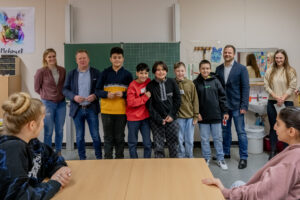
Die ersten Gewinner des Digitalisierungscontests „Once upon eTime“ stehen fest. Am Montag, 23. Januar 2023, freuten sich die Schüler*innen der Realschule Sodingen der Klasse 6b über einen Preis für ihre erfolgreiche Teilnahme. Lehrer*innen können ihre Schulklasse auch weiterhin für das kostenlose Angebot des Digitalisierungsvereins Ideasforum anmelden.
Im Rahmen des Digitalisierungscontests „Once upon eTime“ besuchten die 26 Realschüler*innen im Dezember das LWL-Museum für Archäologie in Herne. Anschließend wurden sie in der Erstellung von Videos zum Thema Digitalisierung geschult und hielten fest, was ihnen an der Ausstellung besonders gut gefallen hat. Aus den verschiedenen Beiträgen wurde am Ende ein Gewinnervideo gekürt.
Die erfolgreiche Teilnahme an dem Wettbewerb zeichneten am Montag, 23. Januar 2023, Pierre Golz, Chief Digital Officer der Stadt Herne und Vorstandsmitglied des Ideasforum e.V., sowie Schuldezernent Andreas Merkendorf aus. Sie überreichten den Gewinner*innen im Beisein von Schuldirektorin Rabea Garczarek und der Klassenlehrerin Inessa Rüster Kinogutscheine im Klassenraum der 6b.
Das von der Kulturinitiative finanzierte Projekt wurde vom Verein Ideasforum e.V. zusammen mit dem Archäologie-Museum und der Herne.Business durchgeführt.
Schuldezernent Andreas Merkendorf freut sich über die Aktion: „Wir halten diese ergänzenden Angebote für Schulklassen für sehr wichtig und unterstützen Projekte, die die digitalen Kompetenzen unserer Schüler*innen erweitern.“
Pierre Golz möchte auch langfristig Formate entwickeln, die das Wissen rund um die digitale Bildung für Kinder und Jugendliche verbreiten: „Wir wollen die Smart People City Herne mit den Bürger*innen gemeinsam gestalten. Die Kinder hatten großen Spaß, digitale Bildung mal anders vermittelt zu bekommen. Hierbei kann und wird Ideasforum e.V. auch zukünftig seinen Beitrag leisten. Das Format werden wir weiter anbieten.“
Das kostenlose Bildungsangebot „Once upon eTime“ richtet sich an Schüler*innen aus der sechsten bis neunten Klasse. Lehrer*innen können ihre Schulklassen per E-Mail an info@ideasforum.org anmelden. Das Angebot wird nach Absprache mit dem Verein Ideasforum organisiert. Weitere Infos gibt es unter ideasforum.org/digitalisierungs-contest
Digitales Bildungsangebot für Schulklassen
Spiele programmieren, professionelle Videos drehen oder 3D-Modelle erstellen – den kreativen Umgang mit digitalen Medien können Schüler*innen jetzt bei einem Workshop mit anschließendem Contest kennenlernen. Dieser findet im LWL-Museum für Archäologie in Herne statt. Lehrer*innen können ihre Schulklasse für das kostenlose Angebot des Digitalisierungsvereins Ideasforum anmelden.
Dass die Themen Digitalisierung und Geschichte zusammenpassen, zeigt der Digitalisierungscontest im Archäologie-Museum in Herne. In diesem Rahmen bietet das Ideasforum ein spannendes Angebot für Schüler*innen der sechsten bis neunten Klassen an. Das Programm sieht nach einer einstündigen Führung durch die Dauerausstellung einen eineinhalbstündigen Workshop vor. Dabei stehen drei verschiedene Angebote zur Auswahl.
Im Workshop „Spiele programmieren“ lernen die Schüler*innen Grundlagen der Programmiersprache „Scratch“ kennen. Vorwissen ist nicht notwendig, Projekte können direkt ausprobiert werden. Bei der „Einführung in die 3D-Digitalisierung mittels Fotogrammetrie“ erleben die Teilnehmer*innen, wie aus realen dreidimensionalen Objekten in wenigen Schritten ein fotorealistisches digitales 3D-Modell entsteht. Im Workshop „Trickfilm erstellen“ setzen sie ein Filmkonzept und einen ersten kurzen Trickfilm mit dem Smartphone um.
Das neu erlernte Wissen können die Teilnehmenden direkt nutzen, um am Digitalisierungscontest des Ideasforums teilzunehmen. Eingereichte Projekte, wie Videos zu Ausstellungsinhalten oder Computerspiele, die besonders gelungen sind, werden prämiert.
Das kostenlose Bildungsangebot richtet sich an Schüler*innen aus der sechsten bis neunten Klasse. Lehrer*innen können ihre Schulklassen per E-Mail an info@ideasforum.org anmelden. Das Angebot wird nach Absprache mit dem Verein Ideasforum organisiert. Weitere Infos gibt es unter ideasforum.org/digitalisierungs-contest
Forschungsprojekt wird mit 1,5 Millionen Euro gefördert
Mit einem Workshop ist am Montag, 5. Dezember 2022, offiziell der Startschuss für das SEGuRo-Projekt in der Stadt Herne gefallen. Neben der RWTH Aachen und der Stadt Herne sind die Stadtwerke Herne AG, die Herne Digital GmbH und die Hochschule Bochum sowie die Unternehmen Rhebo, OPAL RT, Gridhound und Utimaco als Partner an dem Projekt beteiligt. Das beantragte Projektvolumen wurde vom Bundesministerium für Wirtschaft und Klimaschutz bewilligt und beläuft sich auf circa 1,5 Millionen Euro Förderung.
SEGuRo (SEcure Grids for Redispatch 2.0) ist ein Forschungsprojekt mit einer Gesamtlaufzeit von drei Jahren und beschäftigt sich mit der Thematik sicherer, digitaler Stromnetze. Am Beispiel des Stadtteils Sodingen mit den integralen Bestandteilen Klimaviertel und Energiepark Mont-Cenis wird erforscht, wie mit Hilfe von Simulationen und fälschungssicheren Messungen im Stromnetz die Versorgungssicherheit und Netzstabilität bei hoher Durchdringung von erneuerbaren Energien erhalten und flexibilisiert werden kann.
Oberbürgermeister Dr. Frank Dudda freut sich, dass Herne ein Reallabor für die Forschenden wird und erklärt: „In der aktuellen Krise ist dieses Projekt wichtiger denn je, da die Bürgerinnen und Bürger merken, dass Energie keine Selbstverständlichkeit, jedoch eine Notwendigkeit ist. Mithilfe des Projekts SEGuRo leisten wir einen wichtigen Beitrag, damit in der Zukunft die Energie zuverlässig und sicher zur Verfügung stehen wird. Das Projekt schafft also einen echten Mehrwert für die Hernerinnen und Herner.“
Die Netzsicherheit und Stabilität der Stromnetze spielen eine wichtige Rolle in dem Forschungsprojekt. So besteht nicht nur die Gefahr von Cyber-Angriffen auf kritische Infrastrukturen. Auch die erhöhten Netzanforderungen auf Nutzerseite, beispielsweise durch mehr batteriebetriebene Elektrofahrzeuge, können zu kritischen Netzzuständen führen.
„Digitalisierte Energiekonzepte bieten hierbei nicht nur neue Potenziale für lokale Energieversorger hinsichtlich des Angebots neuer Energiedienstleistungen, sondern eröffnen gleichzeitig die Möglichkeit, den Anforderungen der Energiewende gerecht zu werden“, sagt Prof. Dr. Haydar Mecit (Hochschule Bochum, Institut für Elektromobilität, Stiftungsprofessur für Urbane Energie- und Mobilitätssysteme).
In Fragen der Netzsicherheit sieht das SEGuRo-Konzept eine fälschungssichere Signierung von Messdaten, einen sicheren Kommunikationskanal zur Übertragung der Daten und eine echtzeitfähige Monitoring-Plattform vor. Prof. Antonello Monti (RWTH Aachen, E.ON Energy Research Center) erklärt als Projektkoordinator: „Eine solch vollumfängliche Kombination von Technologien ist eine Innovation in der Netzüberwachung und bietet eine elementare digitale Grundlage, nicht nur zur Netzregelung, sondern auch für die flexible Abrechnung von unter anderem neuartigen Netzdienstleistungen.“
Ziel des Projekts, das eine Laufzeit von drei Jahren hat, ist es, auf Basis einer detaillierten Systemmodellierung einen digitalen Zwilling, das heißt, ein Abbild des gesamten Systems zu realisieren. Der digitale Zwilling ist echtzeitfähig und wird die nötigen Schnittstellen besitzen, um in Kombination mit aktuellen Messdaten den operativen Betrieb des Stromnetzes zu unterstützen. Als Testumgebung für die Simulation der entwickelten Lösungen wird ein Teil des Stromnetzes der Stadt genutzt, welches bereits mehrere innovative Anlagen enthält, die sich zur Flexibilisierung des Netzbetriebs eignen.
„Für die Stadtwerke Herne sind die Projektergebnisse von großer Bedeutung für die zukünftige Erstellung eines kompletten, digitalen Netzmodells des Herner Stromnetzes“, so Dr. Jürgen Bock, Technischer Leiter der Stadtwerke Herne AG. „Dieses ist aus Gründen der Fernsteuerbarkeit und des Monitorings von angeschlossenen Anlagen wichtig, aber auch für zukünftige Netzplanungsaspekte äußerst relevant. Als Energieversorgungsunternehmen erhoffen wir uns von dem mittels SEGuRo ermöglichten Digitalen Zwillings die digital effizientere Modellierbarkeit der Einflüsse dezentraler Anlagen auf das Gesamtnetz.“
Die ersten Veranstaltungen des Digitalisierungs-Contests wurden mit Interesse wahrgenommen
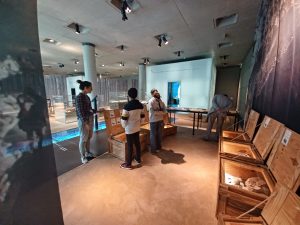
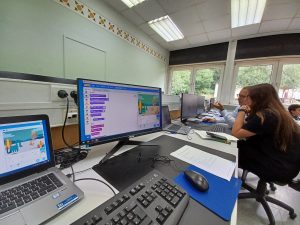
Am 08. Juli 2022 haben die ersten Schulungen des Digitalisierungs-Contests, organisiert durch IDEASFORUM e.V., stattgefunden.
Die Teilnehmenden durchliefen in einer Führung durch das LWL-Museum in Herne die wichtigsten Stationen der Dauerausstellung. Im anschließenden Workshop, durchgeführt durch den Internationalen Bund IB West gGmbH, lernten die Teilnehmenden mit dem Programm Scratch die Grundzüge des Programmierens kennen. Nach einer kurzen Einführung konnten die Teilnehmer*innen direkt erste eigene Spiele entwerfen.
Scratch ist eine bildungsorientierte, visuelle Programmiersprache für Kinder und Jugendliche, mit der sich im Handumdrehen kreative, eigene Spiele programmieren lassen. Die Teilnehmenden waren mit Freude dabei und überrascht, wie leicht sich, auch ohne Vorkenntnisse, erste Spiele programmieren ließen.
Die Veranstaltungen werden durch das #IDEASFORUM e.V. gefördert und sind für ihre Teilnehmenden kostenlos. Der gemeinnützige Verein IDEASFORUM e.V. möchte das Wissen und Interesse an Digitalisierungsthemen in der Bevölkerung fördern.
Die nächste Veranstaltungsreihe des Digitalisierungs-Contests ist für November geplant. Interessierte können sich schon jetzt für einen Kurs ihrer Wahl anmelden.
Digital.Herne.Business – Potentiale des digitalen Zwillings
Oberbürgermeister Dr. Frank Dudda und Pierre Golz (CDO, Stabsstelle Digitalisierung Stadt Herne) werden am 19. Mai 2022 die 3. “Digital.Herne.Business”-Veranstaltung eröffnen, die von 17 Uhr bis 19 Uhr zum Thema “Potenziale des Digitalen Zwillings gemeinsam heben” in der Akademie Mont Cenis (Mont-Cenis-Platz 1 · 44627 Herne) stattfindet.
Inhaltlich steht im Zentrum der Veranstaltung die Rolle des Digitalen Zwillings einer Stadt. Der Begriff beschreibt ein Computermodell des eigenen Gemeindegebietes, erfasst durch Sensoren, Bilder und digitalisierte Pläne. Im Rahmen der “Digital.Herne.Business” werden ausgewiesene Experten unter diesem Aspekt auch die Themen Zukunft des Geldes sowie Digitale Kunst beleuchten.
Wir laden Sie herzlich ein, an der Veranstaltung persönlich oder online teilzunehmen und in Bild, Ton und Wort zu berichten. Weitere Informationen sowie das Programm zu der Veranstaltung entnehmen Sie bitte der Homepage digital.herne.business.
Die Veranstaltung findet statt in Kooperation mit Herne Business, PRO|transfer, dem IDEASFORUM e.V., der Herne.Digital GmbH und der Stabsstelle Digitalisierung der Stadt Herne!
Enabling digital competences – improving digitization powered by people
Under the motto ‘Enabling digital competences – improving digitization powered by people’ the Ideasforum e.V. invited to a first meeting on 8.10.2021 in the Bürgersaal of the Academy Mont-Cenis.
After the welcome by Mayor Dr. Frank Dudda, Minister of State Michelle Müntefering – Minister of State in the Foreign Office of the Federal Republic of Germany for Foreign and International Cultural Policy – addressed a few words via video message to those present.
This was followed by short keynote speeches by Ulrich Ahle, CEO Fiware Foundation, on “Digital platforms and how digitalization can support sustainability in cities” and held by Dr. Doreen Mölders – Director LWL Archaeological Museum Herne on “Digital education and art – the key for smart citizens?”.
Goals of the association
Afterwards, the board of Ideasforum e.V., Gianluca Dianese, Pierre Golz and Wiebke Schuchardt, introduced themselves, the concept as well as the goals of the association. To promote the digitalization of society and the economy, the association wants to support new forms of networking. The goal of the forum is to jointly shape digitization and urban development in a citizen-oriented manner.
The registered association is to play a central role in the realization of “smart cities” and in promoting voluntary commitment to the digitization of cities. True to the association’s motto “Powered by People,” the aim is to promote communication and collaboration with citizens and companies, to foster virtual test environments to support projects, and to enable the transfer of knowledge, also and especially between municipalities. The focus here is always on knowledge transfer using so-called open source technologies. The association’s goal is to promote innovations in digitization and other related fields of technology and make them accessible to the general public.
The aim is to shape the digitization of cities, society and the economy together with citizens in Ideasforum e.V. – for livable cities.
Project ideas in workshops
To this end, the first potential project ideas were presented to those present in three small workshops:
1. once upon e-time – digital education and art with Gianluca Dianese
2. smart energy – shaping the energy turnaround in the neighborhood with citizens with Dr. Markus Mirz – RWTH Aachen, Fraunhofer Institute Aachen
3. sustainability in cities and how digitalization can support this with Thomas Semmelmann, City of Herne.
At the very beginning, the members agreed to become visible with concrete projects. Therefore Ideasforum e.V. invited many stakeholders from the education sector to discuss digital education offers and to present a first project idea called “Once upon e-Time”.
Here, Dr. Mölders from the LWL Museum of Archaeology offered to make the museum available to interested young people as a real laboratory. The project aims to promote the learning of digital skills and media in a practical way by creating videos and knowledge platforms with pupils based on the current Stonehenge exhibition of the LWL Museum of Archaeology Herne, which will be disseminated internationally.
Following the event, the Forum still held its ordinary general meeting. The association decided to join the initiative Living-in.EU. This is a European approach to the promotion of sustainable cities and communities of the future, in which, true to the motto of the association, the citizens are at the center of project and urban development.
Enabling digital competences – improving digitization powered by people
Unter dem Motto ‘Enabling digital competences – improving digitization powered by people’ lud das Ideasforum e.V. am 8.10.2021 zu einem ersten Kennenlernen in den Bürgersaal der Akademie Mont-Cenis ein.
Nach der Begrüßung durch Oberbürgermeister Dr. Frank Dudda richtete Staatsministerin Michelle Müntefering – Staatsministerin im Auswärtigen Amt der Bundesrepublik Deutschland für auswärtige und internationale Kulturpolitik – ein paar Worte per Videobotschaft an die Anwesenden.
Danach folgten kurze Impulsvorträge von Ulrich Ahle, CEO Fiware Foundation, zum Thema „Digitale Plattformen und wie Digitalisierung die Nachhaltigkeit in Städten unterstützen kann“ und von Dr. Doreen Mölders – Leiterin LWL Archäologisches Museum Herne zum Thema „Digitale Bildung und Kunst – der Schlüssel für smarte Bürger?“ gehalten.
Ziele des Vereins
Im Anschluss stellte der Vorstand des Ideasforum e.V., Gianluca Dianese, Pierre Golz und Wiebke Schuchardt, sich, das Konzept sowie die Ziele des Vereins vor. Zur Förderung der Digitalisierung von Gesellschaft und Wirtschaft will der Verein neue Formen der Vernetzung unterstützen. Ziel des Forums sei es, die Digitalisierung und Stadtentwicklung bürgernah gemeinsam zu gestalten.
Der eingetragene Verein soll bei der Realisierung hin zu „Smart Cities“ und zur Förderung von ehrenamtlichen Engagements in Bezug auf die Digitalisierung von Städte eine zentrale Rolle einnehmen. Getreu dem Motto des Vereins „Powered by People“ gehe es um die Förderung von Kommunikation und Kollaboration mit Bürgern und Unternehmen, die Förderung virtueller Testumgebungen zur Unterstützung von Projekten und die Möglichkeit des Wissenstransfers auch und insbesondere zwischen Kommunen. Hierbei stehe stets der Wissenstransfer unter Verwendung von sogenannten Open-Source-Technologien im Vordergrund. Der Verein hat zum Ziel, Innovationen der Digitalisierung sowie in weiteren angrenzenden Technologiefeldern zu fördern und der Allgemeinheit zugänglich zu machen.
Der Anspruch sei es, die Digitalisierung der Städte, der Gesellschaft und der Wirtschaft mit Bürgern gemeinsam im Ideasforum e.V. zu gestalten – für lebenswerte Städte.
Projektideen in Workshops
Hierzu wurden die ersten potenziellen Projektideen den Anwesenden in drei kleinen Workshops nähergebracht:
- 1. Once upon e-Time – Digitale Bildung und Kunst mit Gianluca Dianese
- 2. Smart Energy – Energiewende im Quartier mit Bürgern gestalten mit Dr. Markus Mirz – RWTH Aachen, Fraunhofer Institut Aachen
- 3. Nachhaltigkeit in Städten und wie die Digitalisierung dabei unterstützen kann mit Thomas Semmelmann, Stadt Herne
Gerade zu Beginn haben sich die Mitglieder darauf verständigt, mit konkreten Projekten sichtbar werden zu wollen. Daher lud Ideasforum e.V. viele Akteure aus dem Bildungssektor ein, um digitale Bildungsangebote zu diskutieren und eine erste Projektidee mit dem Titel „Once upon e-Time“ vorzustellen.
Hierbei hat Dr. Mölders vom LWL-Archäologiemuseum angeboten, das Museum als Reallabor interessierten Jugendlichen zur Verfügung zu stellen. Das Projekt soll das Erlernen digitaler Kompetenzen und Medien praxisnah fördern, indem Videos und Wissensplattformen mit Schülern anhand der derzeitigen Stonehenge-Ausstellung des LWL-Museum für Archäologie Herne erstellt werden und international Verbreitung finden sollen.
Im Anschluss an die Veranstaltung fand noch die ordentliche Mitgliederversammlung des Forums statt. Der Verein hat beschlossen, der Initiative Living-in.EU beizutreten. Hierbei gehe es um einen europäischen Ansatz zur Förderung von nachhaltigen Städten und Communities der Zukunft, bei dem getreu dem Motto des Vereins die Bürger im Zentrum der Projekt- und Stadtentwicklung stehen.
The Ideasforum becomes a registered association
On 30.6.2021 it is going to happen! With the support of the city of Herne and umagine GmbH the Ideasforum becomes a registered association! Founding members are Gianluca Dianese (Ideasforum), Wiebke Schuchardt (Ideasforum),Dr. Frank Dudda (City of Herne), Pierre Golz (City of Herne), Sven Schuchardt (Umagine GmbH), Cem Sentürk (Umagine GmbH), Prof. Dr. Wolfgang Schuster (Institute for Sustainable Urban Development), Prof. Dr. Antonello Monti (RWTH AACHEN), Ulrich Ahle (FIWARE Foundation), Christoph Reitenberger (City of Dormagen), Andreas Haug (City of Göppingen).
We are looking forward to many active members!
Das Ideasforum wird ein eingetragener Verein
Am 30.6.2021 ist es so weit! Mit Unterstützung der Stadt Herne und der umagine GmbH wird das Ideasforum zu einem eingetragenen Verein!
Gründungsmitglieder sind Gianluca Dianese (Ideasforum), Wiebke Schuchardt (Ideasforum),Dr. Frank Dudda (Stadt Herne), Pierre Golz (Stadt Herne), Sven Schuchardt (Umagine GmbH), Cem Sentürk (Umagine GmbH), Prof. Dr. Wolfgang Schuster (Institut für Nachhaltige Stadtentwicklung), Prof. Dr. Antonello Monti (RWTH AACHEN), Ulrich Ahle (FIWARE Foundation), Christoph Reitenberger (Stadt Dormagen) , Andreas Haug (Stadt Göppingen),
Freuen uns schon auf viele aktive Mitglieder!
Durchstarten Dank Digitalisierung

Am 23. Juni findet die Digitale Veranstaltung “Durchstarten Dank Digitalisierung” von Digital Herne Business statt.
Gianluca Dianese wird hier als Podiumsgast über das Thema „Smart People City Herne“ und IDEASFORUM e.V. – Die Smart City Herne gemeinsam gestalten” referieren.
Um mehr über diese Veranstaltung zu erfahren, klicken sie hier http://digital.herne.business/
Taking off thanks to digitization
On June 23, the Digital Herne Business event “Durchstarten Dank Digitalisierung” will take place. Gianluca Dianese will speak here as a panelist on the topic of “Smart People City Herne” and IDEASFORUM e.V. – Shaping the Smart City Herne together”.
To learn more about this event, click here: http://digital.herne.business/
Working Group “Data Exchange and Architectures”
Verpassen Sie nicht unsere Online-Veranstaltung zum Thema OPEN DEI Energy am 19. Mai um 15.00 Uhr! Wir werden hier die wichtigsten Ansätze, Ziele und Errungenschaften dieser Arbeitsgruppen und Projekte beleuchten. Diese sind einwichtiger Teil der OPEN DEI-Initiative und konzentrieren sich auf den Datenaustausch im Energiebereich.
Um mehr zu erfahren oder sich anzumelden, klicken Sie hier
OPEN DEI Energy – Working Group “Data Exchange and Architectures”
Don’t miss our next event on Open DEI Energy on May 19th at 15.00! We will highlight the main approaches, objectives and achievements of those working groups & projects, part of the OPEN DEI initiative and focused on Data exchange in the Energy domain.
to find out more or register click here
Digital citizen participation with DIPAS available as open source software now
The digital participation system DIPAS, which was developed in Hamburg, has been available as open source software for subsequent use and joint further development since the end of February 2021.
DIPAS was developed as part of a three-year research and development project by the Hamburg Authority for Urban Development and Housing (BSW), the State Office for Geoinformation and Surveying (LGV), and the CityScienceLab (CSL) of HafenCity University, and was released as open source software in February 2021 during a conference to mark the end of the project. The system for informal citizen participation procedures was developed step by step and with several test loops in real participation procedures between 2017 and 2020 and evaluated during the project.
For more information read here https://urban-digital.de/digitale-beteiligung-dipas/?utm_source=newsletter&utm_medium=email&utm_campaign=digitale_stadtentwicklung_maerz_2021&utm_term=2021-03-17
Digitale Beteiligung von Bürgern mit DIPAS als Open Source Software veröffentlicht
Das in Hamburg entwickelte digitale Partizipationssystem DIPAS steht seit Ende Februar 2021 als quelloffene Software zur Nachnutzung und gemeinsamen Weiterentwicklung zur Verfügung.
DIPAS wurde im Rahmen eines dreijährigen Forschungs- und Entwicklungsprojektes von der Hamburger Behörde für Stadtentwicklung und Wohnen (BSW), dem Landesbetrieb Geoinformation und Vermessung (LGV) und dem CityScienceLab (CSL) der HafenCity Universität entwickelt und im Februar 2021 im Rahmen einer Konferenz zum Projektabschluss als Open-Source-Software veröffentlicht. Das System für informelle Bürgerbeteiligungsverfahren wurde schrittweise und mit mehreren Erprobungsschleifen in realen Beteiligungsverfahren zwischen 2017 und 2020 entwickelt und projektbegleitend evaluiert.
Für mehr Informationen lesen Sie hier https://urban-digital.de/digitale-beteiligung-dipas/?utm_source=newsletter&utm_medium=email&utm_campaign=digitale_stadtentwicklung_maerz_2021&utm_term=2021-03-17
LFEnergy Spring Summit Registration is now open!
2021 is the beginning of an extraordinary decade of power system transformation leading to the electrification of everything. On April 14, 2021 you can join LF Energy for this Spring Summit showcasing collaborative development and shared innovation to accelerate the energy transition through open source and software-defined infrastructure.
To find our more or to register click here.
LFE Spring Summit, Registrieren sie sich jetzt
2021 ist der Beginn eines wichtigen Jahrzehnts der Energiewende. Mit LF Energy können sie am 14.April 2021 an dieser wegweisenden Konferenz teilnehmen, bei dem die gemeinsame Entwicklung und gemeinsame Innovation zur Beschleunigung der Energiewende durch Open Source und softwaredefinierte Infrastruktur vorgestellt wird.
Um mehr zu erfahren oder sich anzumelden, klicken Sie hier.
SmartCitiesWorld and FIWARE Foundation announce partnership
SmartCitiesWorld has entered into a media partnership with FIWARE Foundation to support its initiatives that seek to solve urban challenges and support the wider smart digital ecosystem.
For Details click here.
SmartCitiesWorld und die FIWARE Foundation geben Partnerschaft bekannt
Durch die Cooperation zwischen SmartCitiesWorld und der FIWARE Foundation können die Initiativen der FIWARE Foundation zur Lösung urbaner Herausforderungen und der Entwicklung eines breiteren smarten digitalen Ökosystem unterstützt werden.
für Details klicken sie hier.
Offener Aufruf zum Engagement in der ICT Standardisierung
Die Initiative StandICT.eu 2023 hat kürzlich einen 2. Aufruf zur Mitarbeit an der ICT Standardisierung veröffentlicht. Dies könnte eine interessante Finanzierungsmöglichkeit für Ihre Mitglieder sein!
Das Projekt startet eine Serie von 10 Open Calls, die sich über einen Zeitraum von 3 Jahren erstrecken und 3 Millionen Euro durch einen Kaskadenförderungsprozess bereitstellen. Damit kann die Teilnahme von über 400 europäischen Standardisierungsspezialisten für ihre Beiträge in den wichtigsten internationalen und globalen SDOs und Standardisierungskonsortien unterstützt werden.
Um mehr zu erfahren, klicken Sie hier.
Open Call for engagement in ICT Standardisation
The StandICT.eu 2023 initiative recently published Open call #2 for engagement in ICT Standardisation. This could be an interesting funding opportunity for your members!
The project launches a series of 10 Open Calls spanning across a 3-years timeline, providing 3 million Euro through a cascade grant process to support participation of over 400 European standardization specialists for their contributions in the key international and global SDOs and standards consortia.
To find out more click here.
FIWARE Energy DAY – Edition 2
In den letzten Jahren hat die FIWARE Foundation lokale Energiegemeinschaften, Energieversorger und Energiedienstleister bei der Verfolgung von Innovationen unterstützt. Mit der zweiten Ausgabe des FIWARE Energy DAY möchte sie neue Errungenschaften und Möglichkeiten präsentieren. Weltbekannte Redner und Experten zeigen anhand einer Reihe von spannenden Fallstudien, wie einfach lokale Energiegemeinschaften neue, innovative Dienste entwickeln und in das Netz integrieren können.
Hier können Sie Sich registrieren.
FIWARE Energy DAY – Edition 2
For the last few years, FIWARE Foundation has been supporting local energy communities, utilities, and energy services providers in pursuing innovation, and with the second edition of the FIWARE Energy DAY, it is aiming to present new achievements and opportunities thanks to a programme featuring world-renowned speakers and experts, showcasing a series of exciting case studies demonstrating how easily local energy communities can develop and integrate new, innovative services in the grid.
To register click here.
FIWARE Context Broker: The engine for future energy systems
Gianluca Dianese hat einen sehr aufschlussreichen Artikel darüber veröffentlicht, wie die generischen FIWARE-Enabler die Entwicklung einer “Micro grid Services”-Lösung beschleunigt haben. Das Projekt hat viele Vorteile gebracht, wie z. B. die Bewertung der tatsächlichen Auswirkungen von “System of Systems”-Ansätzen, die auf lokale Energiegemeinschaften und Marktplätze angewendet werden.
Wir empfehlen Ihnen sehr, hier mehr zu lesen.
FIWARE Context Broker: The engine for future energy systems
Gianluca Dianese has published a very insightful article on how the FIWARE generic enablers have accelerated the development of a “micro grid services” solution. The project has delivered many benefits such as assessing the real impact of “System of Systems” approaches applied to local energy communities and marketplaces.
We highly recommend that you read more here.
An Introduction to the work of the programm of the Linux for Energy
On December 10th, Prof. Antonello Monti, Markus Mirz and Sven Leiss gave us an interesting introduction to the German open source community through the Linux Foundation for Energy program.
The presentation and video recording of this webinar are now available.
To download the presentation, click here.
To view the recording of the event, click here.
Die Präsentation des Programm der Linux Foundation für Energy erklärt
Am 10. Dezember haben uns Prof. Antonello Monti, Markus Mirz und Sven Leiss eine interessante Einführung in die deutsche Open-Source-Gemeinschaft über das Programm des Linux Foundation for Energy gegeben.
Die Präsentation und die Videoaufzeichnung dieses Webinars sind jetzt verfügbar.
Zum Herunterladen der Präsentation klicken Sie hier.
Um die Aufzeichnung der Veranstaltung anzusehen, klicken Sie hier.
“Projekt FISMEP – A platform for smart energy services” – Präsentation und das Video jetzt online
Project FISMEP-A platform for smart energy services – Slides and video available now
The FIWARE & SAP White Paper is finally available
Thanks to a collaboration between FIWARE and SAP, the joint white paper “Smart City Ecosystem: Laying the foundations – using decision-making sovereignty” has been recently published and presented to the media.
The publication is available in both English and German. Lead by FIWARE and SAP and created in collaboration with our members and partners: Ulrich Ahle (FIWARE Foundation), Ernö Kovacs (NEC Europe Ltd.), Andreas Linneweber (Unity AG), Wolfgang Möller(itelligence AG), Bernd Simon (SAP Deutschland SE & Co. KG) and others.
To access your free downloadable version of the document, please follow this link.
Das FIWARE & SAP White Paper ist jetzt online
FIWARE und SAP haben in Zusammenarbeit das White Paper “Smart City Ecosystem: Grundlagen schaffen – Entscheidungssouveränität nutzen” veröffentlicht.
Die Publikation ist in deutscher und englischer Sprache erhältlich. Sie ist unter der Federführung von FIWARE und SAP in Zusammenarbeit mit unseren Mitgliedern und Partnern entstanden: Ulrich Ahle (FIWARE Foundation), Ernö Kovacs (NEC Europe Ltd.), Andreas Linneweber (Unity AG), Wolfgang Möller (itelligence AG), Bernd Simon (SAP Deutschland SE & Co. KG) und andere.
Um zu Ihrer kostenlosen Version des Dokuments zu gelangen, folgen Sie bitte diesem Link.
Neuester Artikel “Weisheit auf breiter Front” über Pierre Golz, CDO der Stadt Herne
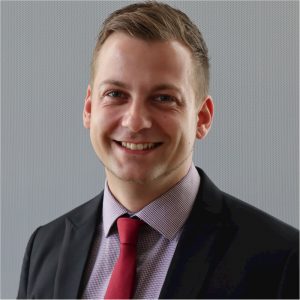 Wir gratulieren Pierre Golz zu seiner Wahl in den Vorstand der FIWARE Foundation!
Wenn sie mehr über Herrn Golz wissen möchten, dann lesen Sie diesen faszinierenden Artikel, den die FIWARE Foundation auf ihrer Website über ihn, seine Arbeit, seine Ideen, Initiativen und Hobbys veröffentlicht hat.
Latest “Wisdom across the Board” article featuring Pierre Golz, CDO for the City of Herne
Please join us in congratulating Pierre Golz for his election to the Board of the FIWARE Foundation and, if curious, read about him, his job, ideas, initiatives and hobbies in this intriguing piece published by the FIWARE Foundation on its website.
To read more.
Registrieren Sie sich für das “Context Broker and BDTI – Joint Webinar”
Es ist noch ausreichend Zeit, sich zum Webinar über den Context Broker und das BDTI organisiert CEF-Digital-Team anzumelden. Es werde einige der innovativsten Initiativen zur digitalen Transformation vorgestellt, die vom FIWARE-“Context Broker” in Europa unterstützt werden. Auf der Tagesordnung stehen eine Einführung über BDTI in Kurzform von Blanca Martinez de Aragon, DG DIGIT, sowie ein Überblick und Highlights der neuesten Version auf der Plattform von Francesca Vella, BDTI-Team. Von besonderem Interesse werden die Fallstudien über das Pilotprojekt der Stadt Florenz sein, die von Gianluca Vannuccini, Stadt Florenz, vorgestellt werden. Die Fallstudien der Stadt Valencia werden von Laia Buigues Pastor, Regionalregierung von Valencia päsentiert. Nach diesen Ausführungen, die sich auf BDTI konzentrierten, wird sich der Schwerpunkt auf die Datenerfassung durch den CEF Context Broker (CB) verlagern. Die Einführung hierzu wird Caroline Corneau, GD DIGIT (CB in a nutshell) mit einem Überblick über Standardisierung & Roadmap der kommenden Aktualisierungen von Ken Zangelin @ Fiware geben. Es folgt eine Fallstudien-Präsentation über die MaaS-Lösung für die Stadt Florenz:phoops’ experience, von unserer Freundin Benedetta Calott @, Phoops Srl.
hier können sie sich anmelden
Register for the The “Context Broker and BDTI – Joint Webinar“
There is still time to join the webinar on The Contect Broker and BDTI organized by the CEF Digital team and featuring some of the most innovative digital transformation initiatives supported by the FIWARE “Context Broker” in Europe.
The agenda includes and introduction on BDTI in a nutshell from Blanca Martinez de Aragon, DG DIGIT and an overview and Highlights of the latest release on the platform from Francesca Vella, BDTI Team.
Of particular interest will be the case studies on the City of Florence pilot showcase, presented by Gianluca Vannuccini, City of Florence, the one from the City of Valencia from Laia Buigues Pastor, Valencian Regional Government.
After these presentations focused on BDTI, the focus will move on how to capture data through CEF Context Broker (CB), with a first intervention from Caroline Corneau, DG DIGIT (CB in a nutshell), an overview on Standardisation & Roadmap of updates to come from Ken Zangelin @ Fiware, a case study presentation on MaaS solution for the city of Florence: phoops’ experience, from our friend Benedetta Calott @, Phoops Srl.
You can registere at the following link.
Our Webinar IT-Safety requirements des EVU to IOT Edge Computing Systems
On 17.11.2020 our webinar about “IT security requirements of the utility company for IOT edge computing systems” took place. Stefan Slembrouck and Michael Driesch discussed the intelligent control of street lighting. The video and the presentation are now available online. Click here for the video Click here for the presentation.
To access video click here
To access the presentation click here
Unser Webinar IT-Sicherheitsforderungen des EVU an IOT Edge Computing Systeme
Am 17.11.2020 fand unser Webinar zum Thema IT-Sicherheitsforderungen des EVU an IOT Edge Computing Systeme statt. Stefan Slembrouck und Michael Driesch haben über die intelligente Steuerung von Straßenbeleuchtung referiert.
Das Video und die Präsentation hierzu sind ab sofort online verfügbar.
Die Präsentation unseres Events “Moderne Lösungen für die Stadt von morgen” ist jetzt verfügbar

Ab sofort sind die Präsentation und die Aufnahme unseres Webinars “Moderne Lösungen für die Stadt von morgen” verfügbar.
Video Recording of Moderne Lösungen für die Stadt von morgen available
Das Programm der Linux Foundation for Energy erklärt
Wir freuen uns am 10. Dezember das erste Event der Linux Foundation for Energy in Deutschland vorstellen zu dürfen!
Prof. Antonello Monti und Sven Leiß werden Sie in die deutsche Open-Source-Gemeinschaft über die Arbeit des Linux for Energy-Programmes einführen
LF Energy bietet eine neutrale, kollaborative Gemeinschaft zum Aufbau der gemeinsamen digitalen Investitionen, die das Verhältnis der Welt zu Energie verändern werden.
Das Programm der Linux Foundation for Energy erklärt
We are happy to present the first event ever of the Linux Foundation for Energy in Germany on December 10th!
Prof. Antonello Monti and Sven Leiß will introduce you to the German Open Source community about the work of the Linux for Energy program.
LF Energy provides a neutral, collaborative community to build the shared digital investments that will change the world’s relationship with energy.
FIWARE and the Smart Data Model Initiative – Slides and videos available
The slides and video recording of the event on November 5th, “FIWARE and the Smart Data Model Initiative” are now available.
To download the slides click on Smart Data Models20201105.
To watch the recording of the event, click here.
FIWARE and the Smart Data Model Initiative – Slides and videos available
The slides and video recording of the event on November 5th, “FIWARE and the Smart Data Model Initiative” are now available.
To download the slides click on Smart Data Models20201105.
To watch the recording of the event, click here.
FISMEP Final digital workshop
On November 19th the Final Event from FISMEP project “FIWARE for Smart Energy Platform”, will take place. The main results and key achievements of the past three years will be highlighted and the challenges and requirements for the future wide implementation of an innovative, open source platform for smart energy will be discussed, together with field experts.
Gianluca Dianese, Director of IDEASFORUM will participate, as a panelist to the workshop on “Innovative, open platform for smart energy of the future: vision and requirements for further use cases applications“.
On December 3rd, the IDEASFORUM Smart Energy Competence Centre will also dedicate a webinar to the reusability of the FISMEP results in smart energy projects in Germany. Please register at this link.
To know more about the FISMEP project click here.
FISMEP Finaler digitaler Workshop
Am 19. November findet die Abschlussveranstaltung des FISMEP Projekts “FIWARE for Smart Energy Platform” statt. Die wichtigsten Ergebnisse und Erfolge der letzten drei Jahre werden vorgestellt und die Herausforderungen und Anforderungen für die zukünftige Implementierung einer innovativen, quelloffenen Plattform für intelligente Energie werden zusammen mit Experten aus der Praxis diskutiert.
Gianluca Dianese, Direktor des IDEASFORUM, wird als Diskussionsteilnehmer am Workshop zum Thema “Innovative, offene Plattform für intelligente Energie der Zukunft: Vision und Anforderungen für weitere Anwendungsfälle” teilnehmen.
Das IDEASFORUM-Kompetenzzentrum für Smart Energy wird am 3. Dezember ein Webinar über die Wiederverwendbarkeit der FISMEP-Ergebnisse für intelligente Energieprojekte in Deutschland veranstalten. Bei Interesse registrieren Sie sich bitte hier.
Für weitere Informationen zu dem FISMEP Projekt klicken Sie hier.
The European Commission encourages Open Source use through FIWARE
FIWARE is thrilled to have been included in the recent European Commission report “Communication to the Commission – Open Source Software Strategy 2020 – 2023 – Think Open” as one of the major drivers helping to level the playing field for the use of open source across Europe and beyond.
With the report, the European Commission reinforces its internal working culture, which is already largely based on open source principles and aims to invigorate the European Union’s one-of-a-kind social market economy, promote competition and encourage SMEs to work towards the creation of innovative solutions that support common policies.
To know more click here.
The European Commission fördert Open Source durch FIWARE
Kick off the IDEASFORUM Smart Cities Competence Centre
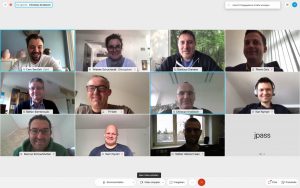
On October 27th, a group of pioneers met to kick off the activities of the Smart Cities Competence Centre of the IDEASFORUM Innovation Hub.
Cities, Utilities, Academia, Civil Society and Industry were equally represented and the level of the discussions was extremely factual and 3 working groups were proposed as concrete starting points for the work of the domain:
- Working Group on trustworthy AI and transparent use of data, to help Public Administrations and industry engaging with the Public Sector having clear guidance and understanding of the ethics of processing data and how can we engage citizens, sharing knowledge and increasing awareness of their rights and benefits in the processing of personal data.
- Working Group on sustainable business models, focused in designing concrete business frameworks in order to assure not only successful implementation but also continuous operations of digital transformation initiatives.
- Working Group on Street Lighting technologies, to coordinate a review of demands from public agencies and favour a joint interaction with the lighting industry, in order to achieve better match of demand and offer for lighting products and guarantee economies of scale.
The working groups will start their actives in the following days, with umagine GmbH supporting and coordinating their activities in the first phases.
Two honoured guests, Rami Sivary (a thought leader on e-mobility charging infrastructure) and Karl Nyman (manager at Gofore, the Finnish ICT company that is one of the biggest contributors to the X-road e-government open source community) joined us and contributed to the discussion.
Should you be interested in participating, feel free to reach out to the IDEASFORUM Team.
Kick off des IDEASFORUM Smart Cities Kompetenz Center
Am 27. Oktober, traf sich eine Gruppe von Pionieren, um die Aktivitäten des Kompetenzzentrums “Intelligente Städte” des IDEASFORUM-Innovationszentrums zu starten.
Städte, Versorgungsunternehmen, Wissenschaft, Industrie und Bürger waren zu gleichen Teilen vertreten: Es gab einige wertvolle Beiträge und es wurden 3 Arbeitsgruppen als konkrete Ausgangspunkte für die Arbeit des Bereichs vorgeschlagen:
- Arbeitsgruppe für vertrauenswürdige KI und transparente Nutzung von Daten. Wie können wir sicherstellen, dass die öffentliche Verwaltung eine klare Anleitung und ein klares Verständnis für die Ethik der Datenverarbeitung hat? Wie können wir die Bürgerinnen und Bürger einbeziehen und das Bewusstsein für ihre Rechte und Vorteile bei der Verarbeitung personenbezogener Daten schärfen?
- Arbeitsgruppe um nachhaltige Geschäftsmodelle zu schaffen und nicht nur eine erfolgreiche Umsetzung, sondern auch den kontinuierlichen Betrieb von Initiativen zur digitalen Transformation zu gewährleisten.
- Arbeitsgruppe für Straßenbeleuchtungstechnologien, die eine Überprüfung der Anforderungen von öffentlichen Stellen koordiniert und eine gemeinsame Interaktion mit der Beleuchtungsindustrie fördert, um eine bessere Abstimmung von Nachfrage und Angebot von Beleuchtungsprodukten zu erreichen und Größenvorteile zu garantieren.
Die Arbeitsgruppen werden in den folgenden Tagen ihre Arbeit aufnehmen, wobei die umagine GmbH ihre Aktivitäten in den ersten Phasen unterstützt und koordiniert.
Zwei Ehrengäste, Rami Sivary (Entrepeneur auf dem Gebiet der Ladeinfrastruktur für Elektromobilität) und Karl Nyman (Manager bei Gofore, dem finnischen IKT-Unternehmen, das einer der größten Mitwirkenden an der Open-Source-Gemeinschaft X-road e-government ist) schlossen sich uns an und trugen zur Diskussion bei.
New Report available: “Exploring Digital Government Transformation in the EU”
The Joint Research Center for Policies of the European Commission has published the new report on Exploring Digital Government Transformation in the EU.
This document presents the final results of the research “Exploring Digital Government Transformation in the EU: understanding public sector innovation in a data-driven society”.
Please download the Report from here.
New Report available: “Exploring Digital Government Transformation in the EU”
The Joint Research Center for Policies of the European Commission has published the new report on Exploring Digital Government Transformation in the EU.
This document presents the final results of the research “Exploring Digital Government Transformation in the EU: understanding public sector innovation in a data-driven society”.
Please download the Report from here.
The European Commission adopts its new Open Source Software Strategy 2020-2023
On October 21st, the European Commission approved its new Open Source Software Strategy 2020-2023 of the Commission. This is an important step towards achieving the goals of the overarching Digital Strategy of the Commission and contributing to the Digital Europe programme.
To know more click here.
To download the Strategy click here.
The European Commission adopts its new Open Source Software Strategy 2020-2023
On October 21st, the European Commission approved its new Open Source Software Strategy 2020-2023 of the Commission. This is an important step towards achieving the goals of the overarching Digital Strategy of the Commission and contributing to the Digital Europe programme.
To know more click here.
To download the Strategy click here.
Kick-Off für die IDEASFORUM Smart Energy Competence Center
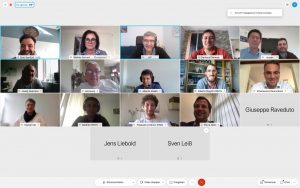
Am 7. Oktober hat das IDEASFORUM-Team während der Auftaktveranstaltung für das Kompetenzzentrum für intelligente Energie die folgende Liste möglicher zukünftiger Tätigkeitsbereiche diskutiert.
- Erhöhung des Bewusstseins für Standardisierungsinitiativen, die für die bereichsübergreifende Entwicklung relevant sind (z.B. GAIA-X, International Data Spaces Association, X-Road, eID NRW, Cybersecurity zum Schutz der Kundenkonten usw.).
- Die IDEASFORUM-Gemeinschaft sollte zum Aufbau und zur Zusammenarbeit mit Forschungseinrichtungen beitragen. Eine Forschungs- und Innovationsallianz könnte dazu beitragen, die Innovationsbemühungen in ihren Kompetenzbereichen zu katalysieren und zu rationalisieren.
- Das IDEASFORUM-Kompetenzzentrum für Smart Energy sollte eine aktive Rolle bei der Unterstützung und Förderung von Initiativen zur Entwicklung von Mikro-Netz-Konzepten spielen. Im Einklang mit der formalisierten Rolle der lokalen Energiegemeinschaften – Richtlinie (EU) 2019/944 sollte sichergestellt werden, dass die Diskussion über regulatorische Änderungen, Governance-Modelle und serviceorientierte Architekturen sichtbare Fortschritte macht.
- Das IDEASFORUM-Kompetenzzentrum für Smart Energy sollte sich aktiv an der Arbeit der FIWARE Foundation und des Linux For Energy-Programms (LFE) zu intelligenten Datenmodellen beteiligen, um die Einführung zukünftiger digitaler Energiedienstleistungen zu unterstützen.
Die Arbeit an all diesen Aktivitäten hat bereits begonnen und mehrere Einzelpersonen und Organisationen haben ihr Interesse an der Unterstützung zum Ausdruck gebracht und beteiligen sich bereits an der Arbeit der Arbeitsgruppen.
Sollten Sie oder Ihre Organisation daran interessiert sein, unserem Smart Energy Competence Center und seinen Arbeitsgruppen beizutreten, senden Sie uns bitte eine E-Mail an info@ideasforum.org
Kick-Off of the IDEASFORUM Smart Energy Competence Center
On October 7th, during the Kick-Off Event for the Smart Energy Competence Centre the IDEASFORUM team discussed and evaluated the following list of possible future areas of activity.
- Increase awareness on standardisation initiatives relevant for cross-domain development (eg, GAIA-X, International Data Spaces Association, X-Road, eID NRW, cybersecurity to protect customers’ accounts, etc).
- The IDEASFORUM Community should contribute to build and cooperate with research institutions and look at the establishment of a Research & Innovation Alliance, to catalyse and streamline innovation efforts in its competence areas.
- The IDEASFORUM Smart Energy Competence Centre should take an active role in supporting and promoting initiatives for the development of micro-grid concepts in line with the formalised role of Local Energy Communities – Directive (EU) 2019/944 and assure that the discussion on regulatory changes, governance models and service oriented architectures makes significative progresses.
- The IDEASFORUM Smart Energy Competence Centre should actively participate to the work of the FIWARE Foundation and Linux For Energy Program (LFE) on Smart Data Models to support the deployment of future digital energy services.
The work on all these streams have already started and several individuals and organisations have expressed support and initiated engaging with the work of the working groups.
Should you or your organisation be interested to join our Smart Energy Competence Center and its working groups, please send us an email info@ideasforum.org
CEF Success story published – How Context Broker is helping Europe in its quest for smarter energy solutions
The Connecting Europe Facility Digital Team has published a Success story on how the use of FIWARE technologies powering the Context Broker building block can support the development of microgrid services and support the implementation of smart energy applications in local energy communities.
Please access the article from here.
CEF Success story published – How Context Broker is helping Europe in its quest for smarter energy solutions
The Connecting Europe Facility Digital Team has published a Success story on how the use of FIWARE technologies powering the Context Broker building block can support the development of microgrid services and support the implementation of smart energy applications in local energy communities.
Please access the article from here.
Recording of the first Smart Energy virtual MeetUp

The recording and presentation from the first virtual MeetUp of IDEASFORUM, organised with the support of the Team of Prof Monti at the University of Aachen RWTH are now available from the links below.
Presentation Smart Energy Competence Center20201005
Recording of the first Smart Energy virtual MeetUp
The recording and presentation from the first virtual MeetUp of IDEASFORUM, organised with the support of the Team of Prof Monti at the University of Aachen RWTH are now available from the links below.
Presentation Smart Energy Competence Center20201005
IDEASFORUM becomes part of the big FIWARE iHubs family

It is with pride that we announce IDEASFORUM has become part of the family of the FIWARE iHubs.
“This achievement strengthens our determination to work closer to the FIWARE Community in bridging the differences and filling the gaps which have prevented digitalisation to reach all parts of society.”.
IDEASFORUM becomes part of the big FIWARE iHubs family
It is with pride that we announce IDEASFORUM has become part of the family of the FIWARE iHubs.
“This achievement strengthens our determination to work closer to the FIWARE Community in bridging the differences and filling the gaps which have prevented digitalisation to reach all parts of society.”.
The challenge for digital transformation in public administration (article from Joao Frade, EC – DIGIT)

The IDEASFORUM Team happy to share with you this insightful piece from Joao Frade, who is coordinating efforts of the CEF Digital team.
The challenge for digital transformation in public administration (article from Joao Frade, EC – DIGIT)
The IDEASFORUM Team happy to share with you this insightful piece from Joao Frade, who is coordinating efforts of the CEF Digital team.
The SARGON (Smart eneRGy dOmain oNtology) Ontology

The world of IoT is a scattered landscape characterized by a plethora of standards, platforms and technologies, often siloed into different vertical domains, very often unable to communicate to each other.
The Energy Industry cannot afford to continue being fragmented and it is becoming evident at different levels of the value chain that a protocol- independent semantic layer that can serve as interoperability enabler among different categories of smart devices (which could be co-existing in a specific industry domain, or even operate across different domains) coming from different manufacturers. To achieve this level of interoperability, in 2015 industry and academia decided to work together and drafted the SAREF ontology, with the objective to assure data interoperability, enabling communication between IoT devices using different protocols and standards. A number of industrial players operating in different sectors, after testing and assessing the potential of the ontology, expressed their interest to extend SAREF into other domains, in order to fill the gaps in the semantics not yet covered by their communication protocols. As a result of these initiatives, the framework of the SARGON (Smart eneRGy dOmain oNtology) ontology was drafted and used to extend SAREF for achieving better monitoring and controlling in applications to digitize Smart Grids and implement Building Automation projects. The SARGON ontology is based on several existing industry standards and the work of IoT standardization initiatives, as well as on real use cases. It includes classes, properties and instances specifically created to cover the various categories of devices possibly deployed in Smart Energy infrastructure.
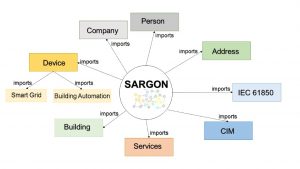
The image above gives a possible picture of the complexity for such a fragmented information domain and all of its components are gathered in the SARGON ontology, which aggregates all these cross-cut domain-specific information.
In addition to this, one of the other major advantages of the SARGON ontology is its modularity, which allows further development of new elements necessary to fill possible gaps and supports any additional development of missing information models, allowing properties and relationships to receive better descriptions, adding additional levels of properties and relationships.
IDEASFORUM is hosting Malileh Haghgoo on October 21st in a Tech-pill focused on introducing the SARGON Ontology to developers of smart energy applications.
Please register here
To access IDEASFORUM Eventbrite page, please click here
Webinar by the European commission on Context broker as CEF Building Block
The European Commission has organized a webinar on 24th September at 15:00 where it will introduce the Context Broker as CEF Building Block.
During the webinar Daniele Rizzi (DG CNECT), will explain the objectives of “Open Data” call where the Context Broker is mentioned as a privileged solution.
We encourage you to participate and learn more about this grant opportunity.
Below, the official link to the page for registration. Do not miss it!
The European Union can help you transform the way you make your decisions!
Link to the registration https://ec.europa.eu/cefdigital/wiki/display/CEFDIGITAL/CB-BDTI+Webinar+Autumn+2020
The Engineering ITS team launches the Smart City Lab in Hamburg: FIWARE Open Source services and Data Platform
The city of Hamburg is a digital pioneer in Germany and its digitalization strategy aims to further improve its urban economic and social scene through new digital services. Engineering provides an Open Source services and Data Platform based on FIWARE integrating data from the Hamburg transparency portal and private sector service offers.
IDEASFORUM kicks-off its operations
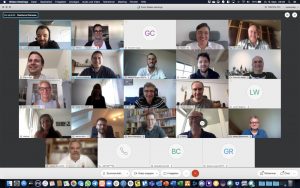
Yesterday, Sep 15th, the promoters of the IDEASFORUM Innovation Hub met in a virtual event hosted by Umagine where members of 18 different organisations discussed on the future goals of the initiatives.
Ulrich Ahle, CEO of the FIWARE Foundation and other members of the Board of Directors joined the event.
The various teams of experts on competence areas will meet in the next few weeks for their internal kick-offs, while the first of the IDEASFORUM public virtual events is scheduled for October 5th, with a presentation on the use of FIWARE generic enablers in smart energy applications (please register here)
.
IDEASFORUM kicks-off its operations
Yesterday, Sep 15th, the promoters of the IDEASFORUM Innovation Hub met in a virtual event hosted by Umagine where members of 18 different organisations discussed on the future goals of the initiatives.
Ulrich Ahle, CEO of the FIWARE Foundation and other members of the Board of Directors joined the event.
The various teams of experts on competence areas will meet in the next few weeks for their internal kick-offs, while the first of the IDEASFORUM public virtual events is scheduled for October 5th, with a presentation on the use of FIWARE generic enablers in smart energy applications (please register here)
.
Coronavirus: Commission starts testing interoperability gateway service for national contact tracing and warning apps
To exploit fully the potential of mobile proximity contact tracing and warning apps to break the chain of coronavirus infections and save lives, the Commission is setting up an interoperability gateway service linking national apps across the EU. Today, an important milestone has been reached as a group of Member States starts testing the infrastructure. The Commission has kicked off test runs between the backend servers of the official apps from the Czech Republic, Denmark, Germany, Ireland, Italy and Latvia, and a newly established gateway server.
Coronavirus: Commission starts testing interoperability gateway service for national contact tracing and warning apps
To exploit fully the potential of mobile proximity contact tracing and warning apps to break the chain of coronavirus infections and save lives, the Commission is setting up an interoperability gateway service linking national apps across the EU. Today, an important milestone has been reached as a group of Member States starts testing the infrastructure. The Commission has kicked off test runs between the backend servers of the official apps from the Czech Republic, Denmark, Germany, Ireland, Italy and Latvia, and a newly established gateway server.
Leave your mark on the upcoming FIWARE Domain DAYS

We are all set for the FIWARE Domain DAYS in September but there is still time to get involved in the October, November, and December virtual events. The Domain DAYS provide a fantastic opportunity for our community to showcase the role of Open Source in a variety of relevant FIWARE domains (all of which you can see in the box below), with keynote and specialist speeches, as well as top-notch use cases from across the globe. Do you feel like you have an interesting angle to tap into, a great FIWARE-powered use case to present, or experiences you think would be valuable to share with the audience? Get in touch with the FIWARE Marketing Team so we can discuss how best to accommodate your contribution.
Upcoming FIWARE Domain DAYS
Leave your mark on the upcoming FIWARE Domain DAYS
We are all set for the FIWARE Domain DAYS in September but there is still time to get involved in the October, November, and December virtual events. The Domain DAYS provide a fantastic opportunity for our community to showcase the role of Open Source in a variety of relevant FIWARE domains (all of which you can see in the box below), with keynote and specialist speeches, as well as top-notch use cases from across the globe. Do you feel like you have an interesting angle to tap into, a great FIWARE-powered use case to present, or experiences you think would be valuable to share with the audience? Get in touch with the FIWARE Marketing Team so we can discuss how best to accommodate your contribution.
Upcoming FIWARE Domain DAYS
Become a certified FIWARE Expert

FIWARE Foundation is planning to conduct a set of #ExpertExams on 24 September (TBC). For this, and future Expert Exams, we are looking to work together with interested parties (e.g. iHubs, Gold Members) to provide examiners and candidates. Interested in teaming up? Please get in touch with Charlotte Kotterman.
Have you made a solid recognized contribution to the FIWARE Community? Do you have a thorough cross-chapter understanding of all aspects of FIWARE including the latest developments in the catalogue? Can you describe how to architect FIWARE-based solutions properly at scale? If you were able to answer all of those questions with a definite “yes”, and you wish to be recognized by your peers in the FIWARE Community as an acknowledged expert, then sign up for the FIWARE Experts Certification Program and take the Expert exam.
Become a certified FIWARE Expert
FIWARE Foundation is planning to conduct a set of #ExpertExams on 24 September (TBC). For this, and future Expert Exams, we are looking to work together with interested parties (e.g. iHubs, Gold Members) to provide examiners and candidates. Interested in teaming up? Please get in touch with Charlotte Kotterman.
Have you made a solid recognized contribution to the FIWARE Community? Do you have a thorough cross-chapter understanding of all aspects of FIWARE including the latest developments in the catalogue? Can you describe how to architect FIWARE-based solutions properly at scale? If you were able to answer all of those questions with a definite “yes”, and you wish to be recognized by your peers in the FIWARE Community as an acknowledged expert, then sign up for the FIWARE Experts Certification Program and take the Expert exam.
2nd CEF eTranslation Conference: Tools and Services for a Multilingual Europe, 14/10

This virtual conference will explore the topic “Tools and Services for a Multilingual Europe”, showcasing smart eTranslation applications and the latest tools for enabling multilingualism.
In English
2nd CEF eTranslation Conference: Tools and Services for a Multilingual Europe, 14/10
This virtual conference will explore the topic “Tools and Services for a Multilingual Europe”, showcasing smart eTranslation applications and the latest tools for enabling multilingualism.
In English
Once Only Principle Project Web Conference, 23/09
This event will present the project achievements in piloting the once-only principle and will also focus on the handover of the TOOP project solutions to a CEF Preparatory Action.
In English
Once Only Principle Project Web Conference, 23/09
This event will present the project achievements in piloting the once-only principle and will also focus on the handover of the TOOP project solutions to a CEF Preparatory Action.
In English
CEF eArchiving webinar: DBPTK – an eArchiving solution for database archiving, 24/09
This webinar will allow you to better understand the issues involved when preserving databases and overarching information systems and discover the different preservation strategies that apply to databases and the pros and cons of each.
In English
CEF eArchiving webinar: DBPTK – an eArchiving solution for database archiving, 24/09
This webinar will allow you to better understand the issues involved when preserving databases and overarching information systems and discover the different preservation strategies that apply to databases and the pros and cons of each.
In English
CEF Context Broker and BDTI webinars, 24 & 29/09
The CEF Digital Team is organising a virtual event on how Context Broker and Big Data Text Infrastructure integrate to build data driven applications. Learn how the Context Broker and BDTI Building Blocks help you make sense of the data available through your city’s information systems, and make the right decisions to improve the public services you offer to your citizens.
In English
CEF Context Broker and BDTI webinars, 24 & 29/09
The CEF Digital Team is organising a virtual event on how Context Broker and Big Data Text Infrastructure integrate to build data driven applications. Learn how the Context Broker and BDTI Building Blocks help you make sense of the data available through your city’s information systems, and make the right decisions to improve the public services you offer to your citizens.
In English
Some Thoughts on the Digital Transformation of Public Services.

Steve Jobs, October 7, 2011
“Technology alone is not enough. It’s technology married with the liberal arts, married with the humanities, that yields us the results that make our hearts sing.”
I decided to start with Steve Job’s quote the second part of my attempt at sharing “experiences” on the digital transformation of the Public Sector (See The arduous path towards a “Smart City” … Aesop’s “The Fox and the Grapes” reloaded?), considering how his approach to innovation has changed our way of looking at the World of Consumers’ Technology in the last few years.
Since Steve Job’s premature passing, many Tech giants have been following his path and reinforced, in their product development teams, those areas focused on better understanding human behaviors and translate their studies in “more engaging”, “pervasive” and “relevant” (for the users) user experiences.
Companies focused on “Consumer Electronics” and the ICT Industry, have been chasing and confronting with Apple’s philosophy, refocusing resources and attention to how people uses technology, but also to the way technology could be made available to humans in order to solve their daily issues.
In other words, there has been an enhanced focus on assessing use cases on their “mass dimensions”, by introducing sociology, psychology and behavioral sciences in general as part of the development process of technological solutions, with the result of embedding them more tightly in our daily lives, in some cases heavily changing behavioral and social models (consider the impact of mobile smart-phones and apps on a global scale).
These considerations bring me to the question, that is, if we could consider applying this “behavioral” approach to the so called “Digital Transformation of Public Services“, in order to support and sustain change management projects aimed at implementing digital citizenship as part of a digitized society.

The Impact of the “Skills Gap” on Digital Transformation
Through the Digital Transformation of the way we do things, both in the Private and Public Sectors, we are hoping to change our society for the better. But for sure we have to admit that there are a number of negative implications and “side effects”, which are undesired “guests” at the table and, if not properly handled, insurmountable obstacles to achieve our goals.
And while the need of applying proper “change management” practices are “buzz-wordily” on the mouth of anybody who is part of the discussions on the “How-To’s” of Digital Transformation, on the other end, there is general consensus in identifying a broad Technological “Skills Gap” as one of the main root causes for this “lethargy”.
When talking to friends and professionals on the “techies-side” of the “digitization barricades”, it is common to hear them expressing their frustrations about the difficulties to collect, refine and finalize “specifications” necessary to design the new digitized business processes, very often implying that this situation is a consequence of the limited technical skills of their counterparts.
Being an “insider”, I cannot disagree with this view, especially looking at the broader definitions of skills gap given not only by the ICT Industry, but also by Academia, Analysts, etc and which I could summarize in the following: “A Skills Gap is defined as “a significant gap” between an organization’s skill needs and the current capabilities of its workforce.”
Especially when looking at the Public Sector, it is true that, because of tight and shrinking budgets, particularly “strict” labor regulations for public employees and a constantly aging population in western societies, it is very difficult to close some of these gaps with training, job rotations and other usual practices, especially when the required skills are deeply rooted into innovative and rapidly developing technological environments and require highly specialized workforce (the European Commission has addressed this in its study on “The Digital skills gap in Europe“, providing a clear pictures of the situation across EU Member States).

How to Mitigate these Risks and Reduce these Obstacles?
Acknowledging the problem, European Institutions have been steadily working in supporting businesses and public administration in reducing complexity of digital transformation of Industries by defining and promoting new “standards”, funding R&D and participating to pilot initiatives (e.g. through the Horizon 2020 Program), fostering the establishment of “common knowledge” and “best practices” sharing platforms.
On the other end, the ICT Industry seems to be moving in an extremely factual way, focusing on facilitating transformation by using new techniques to leverage on the assets represented by experienced employees (namely their knowledge of processes, policies and governance models) and moving towards platforms more focused on integrating processes, building knowledge across the organization and leverage on “best practice based” configurable interfaces.
More intriguingly, learning from best practices at Consumer Electronics giants, many Government bodies and ICT players are now systematically applying agile development, design thinking (cifr. C. Bason, Leading Public Sector Innovation: Co-creating for a Better Society) and behavioral sciences as methodologies to facilitate the transformation (into their digital “equivalent”) of processes established for the delivery of public services.
The main driver of these new approaches is the realization that the engagement of stakeholders (the public employees) in the rapid prototyping of subsequent tasks/phases of the redesign projects, is a real game changer, allowing technical experts and process experts to “discover” together how to better translate the analog world into its digital representation.
On one end, the civil servants involved in the delivery of the service appreciate that, with their direct engagement in the rapid prototyping phases, the peculiarity of their daily work is “valued” by the team they become part of, their concerns shared and more deeply understood by the developers, while on the other, the developers are able to concretely represent the progresses of the change team work and show, through the rapid prototyping of functionalities, what the real benefits of digitalization are.
In essence, the introduction of “transparency” as the key innovation driver of thedevelopment phase allows translating the codification of specifications into a “discovery journey” which could assure higher acceptance rates and a “final product” built not only on exploiting available technical features, but also on an improved user experience more in line with the expectations of the prime users (internal customers), the civil servants who will be called to deliver the new digital services.
This way, “change” is not anymore imposed on public sector employees, who become an active, positive driver of the transformation itself.
I was amazed by reading that companies like Deutsche Bahn are now actively engaging with their staff leveraging on agile approaches focused on the use of “rapid prototyping” in process redesign and process development cycles, while tech giants like IBM, are actively employing with their public sector customers “design thinking” techniques to accompany their customers’ employees in a discovery journey of how technology can be used to improve processes from the ground up. And this just to quote a number of examples.
There’s a way to do it better, … find it!
Thomas Edison
In conclusion, assuring a tighter level of inclusion and transparency, resulting in a stronger engagement from stakeholders in the past too often excluded from these projects, there is the chance to mitigate the risks of “resistance” to change caused by “fear of the unknown”, or by the difficulty to abstract from daily tasks, or even worse, by the unanswered questions on the benefits derived from digitalization (“digital” is not there to replace human beings, but to help them doing their job better!).
And it is a good feeling to realize how, thanks to this innovative blending of technology, behavioral sciences and design thinking, such promising results can be achieved in the deployment of new digital technologies for the delivery of public services (see S. S. Dawes, A. M. Cresswell, T. A. Pardo, “From “Need to Know” to “Need to Share”: Tangled Problems, Information Boundaries, and the Building of Public Sector Knowledge Networks”).
The arduous path towards a “Smart City” … Aesop’s “The Fox and the Grapes” reloaded?

“Oh, you aren’t even ripe yet!” … said the fox “I don’t need any sour grapes.”
You will forgive the arrogance of posting my thoughts on this platform, but I have spent the last few years of my professional life trying to make some sense out of the continuous buzz-wording around “Digital Transformation” of the Public Sector (here we go with the first abused buzz-word) and in particular in the area of the so called “Smart Cities” (“errare humanum est, … perseverare diabolicum”, Seneca wrote), that I hope I can contribute to the discussion by sharing some of my thoughts and experiences.
First of all a few words on myself, just to put things into context. I come from a humanistic background, but I spent the last 10 years in “Technology”, trying to bring innovation into new markets and business models.
In the last 5 years I had the chance to spend most of my time in studying, assessing and implementing IOT solutions to support the digitalization of local Public Administration and “Utility” Companies, having often the privilege to sharing thoughts, ideas and concerns with politicians (… representing communities big and small), public administrators, managers of the IT & ICT infrastructures of those Authorities and many IT & ICT “industry players”.
This said, the “intellectual turmoil” leading to this “explosion” (this article) derives from recent events of the last few months, just after I left my position in one of the major European ICT players and joined a Public Institution (where I continue to focus on “efficiency” and digital transformation), events culminating in the realization of the gap, the still “un-bridged” distance, between the ways of Public Institutions and the ones of Technology players.
While it is undeniable that giant leaps forward have and are being made, every day, in building solid foundations to effectively digitalize entire public service areas (and in some fields the digitalization is already under way, or has even been partially completed), it is also true that there is still much to do to make replicability, scalability and affordability part of the DNA of these technological solutions.
The vast majority of “smart city” projects (even if there are many, intensively advertised ones, which are undoubtedly successful), unfortunately, seems to remain anchored to proof of concepts, pilots and small scale testing environments, very often limited to “theatrically stage” how technologies (or cosmetically customized versions of their applications) operate in “real-life”.
If you are skeptical about these first statements, just try to enter in a search engine the combination of words “smart city failures” and you will be amazed by the quantity and quality of the available content.
The question that raises from these considerations is why it is so difficult to move to the “next level”, i.e. the full rollout of a technological infrastructure to digitalize the provisioning of a public service to citizens.
And in addition to this, why is it, in the majority of instances, that moving from “pilot state”, seems to be a titanic challenge, with both parties (the Public Sector and the ICT “Industry”) very often unable to proceed together in their efforts towards full-scale digitalization?
Building a Theoretical Model
Here comes a theory (of which limitations and approximations I take full responsibility), based on the observation of the moods, motivations, aspirations, “clichés”, frustrations, from both sides of the barricades.
Using an oversimplified graphical representation of the “decision making” framework in which public administrators and executives of technology companies are tasked to operate, let’s try to elaborate on its implications.

The first point which takes the attention is the role given to what I indicate as “Policies“. Policies are the programmatic framework, the political platform on which public administrators are elected to office. During the elections campaigns, these sets of political objectives are the topic of discussion with constituents and represent the “strategic program” to which officials should be adhering during their electoral mandate.
So, why not calling this “Strategy”, instead of “Policies”, as academia and consulting usually do? For the simple reasons that, while strategies in corporations (“for profit organizations”) have as ultimate objective a “profitable” outcome of the organization’s endeavors, even in contexts where “social responsibility” is becoming more and more a driver in consumers’ loyalty (“profit“), a Public Local Administration (“non-profit” organization) will systematically target the implementation of social and political objectives and not pursue profit.
This passage is fundamental in understanding the stall in which some smart city initiatives are languishing and why “scaling” up of lab tests, proof of concepts and pilots appears often so arduous.
While the “Industry” usually blames this state of things on the political side (e.g., the skill gaps in the IT departments, the “magmatic change” of mood in decision makers, not enough focus on innovation, etc) the reality is that, too often, Technology organizations are failing to apply to these projects basic business principles.
And in too many cases, these Industry players seem not to be paying attention to the details of the “use cases” they are tackling and, even more often, they are unable to understand how Public Authorities’ operational and organizational models are affected by the programmatic Policies of the Public Institutions they are part of.
Visualizing to reduce complexity
Let me explain with a couple of charts how a public organization could be assessing technologies promising to provide new services to its community. But please be aware that this approach is just an exemplification and has no ambitions to design a “model” or being en exhaustive, “magic” tool to identify procedures for selecting technological solutions.
First and foremost, given the principles introduced by the new European Procurement Directive 2014/24/EU on Public Procurement, the total cost of operating the technological solution during the period of the assignment contract (total cost of ownership – T.C.O.), is now clearly identified as one of the drivers which should be part of the tender evaluation.
As a consequence, when benchmarking and comparing alternative “smart city” solutions, the T.C.O. better than the mere “purchasing cost” should be assessed versus the “technical value/content” of a solution, measured in terms of relevant technical features (relevant for the purpose of delivering the desired service to the community).
The chart below oversimplifies this process, which would end in ranking solutions in terms of value (available technical features) for money (the total cost of operating the solution).

This and similar benchmarking techniques could be the starting point for deciding to enter into a proof of concept.
But this is also where many Technology Organizations are systematically missing the opportunity to “learn” how to match their product portfolio (the set of standardized use cases they have “packaged”) with the “use case” at hand.
In my experience, this is due to the inability of exploiting the opportunities to learn fromthe environmental constraints and the feedback coming from public officials on what lays beyond the “use case”, i.e the social, political and “local economic interests” the provisioning of the service should be affecting.
The following chart should help visualizing, once again by oversimplifying the benchmarking process, how these social, political and local economic interests (usually “programmatically” addressed in a Policy document), could impact the decision towards a solution that maybe does not rank at the top of the previous assessment, but shows a much better fit to the Community objectives, like supporting local businesses, boosting new commercial/residential development areas, promoting social integration by supporting specific “economically underdeveloped” communities, etc.

In the chart, the dimension of the bubbles represents a different angle to assess the relevance of the solution from a social and political perspective, or with relation to the impact on the “local economy”.
As a consequence of this analysis, we could find ourselves in a situation for which a solution with, e.g. the lowest “technological” value (lower number of assessed technical features) would be the preferable one, as it maximizes the benefits from the Policy perspective.
For sure, to make the benchmarking more accurate, the weight of the programmatic policies objectives could be “pondered’ and weighted with relation to a priority ranking of those objectives, once again potentially changing the reading key of the assessment.
Different alternative techniques and tools could be applied to perform this exercise, so please allow me to remind you that is not my purpose to provide a “magic model” applicable to each and every case, but mainly to stimulate the readers intellectually and encourage them to adjust these principles to their specific case.
Conclusions
What emerges from these considerations, is that, if this model comes only close to explaining how decision could be (or should be) taken in the context of “digital transformation” of public services, very probably it won’t be technology to drive the decision of adopting a specific architectural model, but the way technology can be used to implement the above-mentioned programmatic Policies objectives.
In such a context, it becomes easier to understand why Technology brands are often finding difficult adjusting their strategies to the needs of this “market”.
If you are an executive in the Hi-tech industry and try to differentiate from competition by adding unicity to your technological portfolio, you usually do it by leveraging on your main assets, being them your IP (Intellectual property), your “interpretation” of technology (the flavor, the mix of features that builds the “user experience” you envisioned for your customers), your ability to correctly placing your products at the right “price” in the marketplace (economics), or the level of quality and grade of stability achieved in your product portfolio (usually granted by the set of skills you have been able to aggregate in your organization, by attracting talents), etc.
But, when you are facing possible “customers” who are re-shaping the ranking of your values, by prioritizing social, political and “partisan” (support to local economy), aspects that you usually consider more as environmental constraints, either you become able to design new processes and strategically adjust your portfolio to those values (by adapting “your” use cases to match the “ones” targeted by the public institution), or you will find extremely difficult to be successful.
That’s probably one of the main reasons why smaller organizations and start-ups (focused on niche “solutions”) seem to be more “fit” than Tech giants in matching use cases designed on the operational and organizational models through which Public Authorities are traditionally operating.
For sure, these smaller players are more agile, adaptable, but also and foremost, they act “locally”, very often starting from a “system integration” background, which allows them to look at the customer’s use case (what really needs to be done, without the bells & whistles) with a different attitude.
In essence, they are able to focus on the use case at hand, instead of proposing a “one size fits all” interpretation of that use case, which too often does not match at all with the one “on the ground”.
The major drawback of this state of things, is a known issue in the discussion around “smart cities” and lays in the difficulty of scaling up these tailored “solutions” and leveraging on possible economies of scale to make these projects “industrialized” and replicable in other contexts.
Industrialization, replicability and facilitating economies of scale are the fields where, for the benefit of us all, some major ICT players seem to be finally steering their focus.
In fact, as an example, some of the big “Telco” Companies have started building “environments” in which they are actively partnering with these more agile, smaller but innovative organizations, providing them with “reusable” technological components, economical and technical support, guidance on matters like cyber-security, etc, in order to assure that their future solutions are accessible, sometime more visible, but in particular more affordable to public authorities engaged in digital transformation.
But these commendable efforts are not the rule and, in my humble, personal experience, too many Technology organizations have withdrawn from the arena, not being able to keep the promises of miracle profits to their shareholders, justifying these decisions with considerations on a market “not yet mature”, stating the obvious “Oh, you aren’t even ripe yet! I don’t need any sour grapes!“.